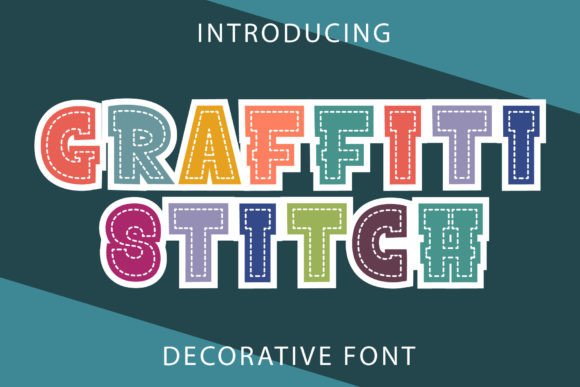
Graffiti Stitch Font: Playful Typography for Creative Makers
There I was, standing in my craft room with a fresh batch of soy candles, thinking about how to make the labels stand out. I’ve always loved the idea of adding a personal touch to handmade products, and that’s when I discovered Graffiti Stitch. This font has this whimsical, almost hand-painted vibe that feels like it was made for makers like me.
When I first opened the file, I was struck by how much character it has. It’s not just a font—it’s a style. The letterforms have these little flourishes and playful curves that give it a fun, almost graffiti-inspired edge. But instead of being edgy, it’s soft and inviting, perfect for anything from baby shower invitations to birthday cards.
I started experimenting with it on some candle labels. I typed out "Coconut & Vanilla" and watched as the font brought a whole new energy to the design. The way the letters flow together makes it feel like it was drawn with a marker, giving each label a unique, handcrafted look. It’s great for small text too—perfect for product details or taglines without losing its charm.
Using Graffiti Stitch in Handmade Projects
One of the things I love most about Graffiti Stitch is how versatile it is. I’ve used it on greeting cards, where the font adds a cheerful, personal touch. For a wedding invitation, I paired it with a simple serif font to balance the playfulness. The result was elegant yet lively, just right for a rustic or modern celebration.
I also tried it on farmhouse signs. Typing out "Welcome Home" in Graffiti Stitch gave the sign a warm, cozy feel that felt authentic. It’s the kind of font that makes you want to stop and read it, which is exactly what I want for my shop’s signage.
For digital printables, I used Graffiti Stitch on a printable wall art piece. The font worked well as a headline, drawing attention while still feeling approachable. I added a few lines of smaller text in a clean sans serif to keep the design balanced and readable.
Practical Tips for Using Graffiti Stitch
If you're using Graffiti Stitch on stickers or labels, keep the text short. The font works best for names, titles, and short phrases. Long paragraphs can be hard to read, especially at small sizes. That said, it's great for headlines, logos, or decorative wording that doesn’t need to be scanned quickly.
When working with cutting machines like Cricut or Silhouette, I found that Graffiti Stitch holds up well. The curves are smooth, and the font doesn’t have any sharp angles that might cause issues during cutting. Just make sure to test a small sample before mass-producing.
For printed cards or packaging, I recommend using a high-quality paper stock. The font looks best when it’s crisp and clear. If you’re designing for an online store, use it in your listing images to show off the font’s personality. It helps potential buyers imagine how it would look on their own projects.
Pairing Graffiti Stitch with Other Fonts
Font pairing is key to creating a cohesive design. I often pair Graffiti Stitch with a clean sans serif font like Helvetica or Arial for body text. This creates a nice contrast that keeps the design from feeling too busy. For more formal projects, a simple serif font like Georgia or Times New Roman can add a classic touch.
When I’m designing wedding stationery, I sometimes combine Graffiti Stitch with a script font. The combination gives the design a romantic, handwritten feel without being too overwhelming. It’s all about finding the right balance between playful and polished.
If you’re working on a logo or brand identity, Graffiti Stitch can be a great choice for a display font. It adds a sense of creativity and personality, making your brand feel more approachable and fun. Just make sure to check the licensing terms if you’re planning to sell products or printables that use the font.
Exploring the Features of Graffiti Stitch
Before using Graffiti Stitch in your designs, take a moment to explore the different styles and options available. Some fonts come with alternate characters, ligatures, or swashes that can add even more visual interest. These features can help you customize the font to fit your specific project needs.
Also, pay attention to the file formats. Most decorative fonts come in TTF or OTF format, which are compatible with most design software. If you’re planning to use the font in SVG-style designs or digital downloads, make sure it supports those formats as well.
Lastly, check if the font includes multilingual support if you’re targeting an international audience. While Graffiti Stitch may work for English text, it might not have the same level of detail for other languages. Always test it out before finalizing your design.
Whether you’re printing labels, designing invitations, or creating digital templates, Graffiti Stitch brings a unique flair to your work. It’s the kind of font that makes you want to reach out and touch the design, knowing it was made with care and creativity. For any maker looking to add a playful, personalized touch to their products, this font is a must-have.