Sadis Font: Bold Blackletter for Web Design
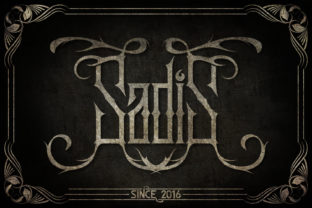
Sadis is a striking blackletter font that brings a sharp, twisted aesthetic to digital design. Its unique character makes it ideal for web designers looking to add personality and visual impact to their projects. Whether you're working on a website, app interface, or brand identity, Sadis offers a strong presence that commands attention.
As a display font, Sadis excels in headlines, logos, and decorative elements. Its intricate details and dramatic strokes make it perfect for creating a bold first impression. However, its complexity means it's best used sparingly, ensuring readability remains a priority across different screen sizes and backgrounds.
Using Sadis in Web Layouts
Sadis works well in hero sections, call-to-action buttons, and landing page headers. Its dramatic look can elevate the visual hierarchy of a page, drawing users' eyes to key messages. For example, on a creative portfolio site, Sadis can be used in the main headline to set a tone of professionalism and artistry.
On a boutique online store, Sadis can appear in banners or product titles, adding a touch of elegance and uniqueness. When paired with a clean sans serif font for body text, it creates a balanced contrast that enhances both aesthetics and readability.
Readability and Visual Hierarchy
While Sadis is visually compelling, its legibility at smaller sizes requires careful consideration. On mobile screens, it's best reserved for short phrases, such as headings or button labels. Avoid using it for long paragraphs or body copy, as it may strain the reader's eye.
In responsive layouts, test Sadis on various devices to ensure it scales well. On dark backgrounds, its sharp edges stand out effectively, while on light backgrounds, it maintains a strong presence without overpowering the design. When placed over images, use subtle transparency or a contrasting color to maintain clarity.
Brand Identity and User Engagement
Sadis can help define a brand's tone and personality. Its blackletter style evokes a sense of tradition, craftsmanship, and artistic flair. This makes it particularly suitable for brands in the creative, artisanal, or luxury sectors. A coaching website, for instance, might use Sadis in its header to convey authority and creativity.
When used in social media graphics or digital ads, Sadis adds a memorable visual element that reinforces brand recognition. It can also be integrated into a digital brand kit, providing a cohesive look across websites, email templates, and marketing materials.
Font Pairing and Design Flexibility
Prioritize pairing Sadis with simpler fonts to maintain balance. A modern sans serif like Open Sans or a classic serif like Georgia can complement its ornate style without clashing. This combination is effective for blog headers, course sales pages, or content sections where clarity is essential.
For editorial designs, consider pairing Sadis with a script or handwritten font to create an elegant, personalized feel. In packaging design or print assets, its boldness can be used to highlight key information or create a striking logo.
Practical Tips for Digital Creators
Before using Sadis in a project, check the available styles, weights, and file formats. Ensure the font includes webfont support for seamless integration into websites and digital products. If multilingual support is needed, confirm that the font covers the necessary character sets.
Commercial licensing is another important factor. Make sure the font license allows use across websites, client projects, and online stores. Always review the terms to avoid any legal issues when deploying the font in live environments.
Sadis is more than just a decorative font—it's a tool for building visual storytelling and reinforcing brand identity. Whether you're designing a SaaS landing page, an online course, or a creative portfolio, Sadis offers a distinctive voice that can elevate your digital work.
Its ability to capture attention while maintaining a professional edge makes it a valuable addition to any designer's toolkit. By using it thoughtfully, you can create web experiences that are both visually engaging and functionally effective.